
“What’s the point?”
Understanding Depression
When depression takes hold, the perception that effort is worthless is not a choice—it is a core clinical symptom. We provide a structured, evidence-based space to address this profound lack of motivation and help you rebuild a sense of agency and mental vitality.
Understanding Clinical Depression
Depression is more than just feeling "sad." It is a complex clinical condition that has become increasingly prevalent in our modern landscape. According to the latest Singapore Mental Health Study (2022), approximately 1 in 10 people in Singapore met the clinical criteria for a mental health disorder in the past year, with Major Depressive Disorder remaining a primary concern (IMH Media Release, 2024).
Key Finding: The study highlights that young adults (aged 18–34) now experience the highest prevalence of depressive symptoms, often reporting that the "heaviness" of the condition interferes with their ability to sustain career and relationship goals.
At MIND HEALTH, we provide specialized interventions for various presentations of mood disorders, including:

How Depression Manifests
Physical
- • Chronic fatigue or lack of energy
- • Sleep disturbances (insomnia or oversleeping)
- • Changes in appetite or weight
- • Unexplained physical aches and pains
- • Psychomotor agitation or slowing down
Emotional & Cognitive
- • Pervasive feelings of sadness or emptiness
- • Feelings of worthlessness or excessive guilt
- • Diminished ability to think or concentrate
- • Difficulty making simple decisions
- • Recurrent thoughts of death or hopelessness
Behavioural
- • Withdrawal from social connections
- • Loss of interest in hobbies (Anhedonia)
- • Neglecting personal hygiene or responsibilities
- • Irritability or "angry depression"
A Moment for Self-Reflection
Depression can often feel like a heavy fog, making it difficult to track how much your mood has changed over time. The following tool is a standard clinical measure used to help you identify the severity of these feelings.
Please take a moment to complete the Patient Health Questionnaire (PHQ-8) below. Use your score as a starting point for our clinical conversation, keeping in mind that this is a reflection of your experience over the last two weeks.
Patient Health Questionnaire (PHQ-8)
Over the last 2 weeks, how often have you been bothered by any of the following problems?
• 0 = Not at all
• 1 = Several days
• 2 = More than half the days
• 3 = Nearly every day
Interpreting Your Total Score
0–4: Normal or minimal symptoms
5–9: Mild depression
10–14: Moderate depression
15–19: Moderately severe depression
20–24: Severe depression
Citation: Kroenke K, Strine TW, Spitzer RL, Williams JBW, Berry JT, Mokdad AH. The PHQ-8 as a measure of current depression in the general population. J Affect Disord. 2009;114(1-3):163-173.
Important Safety Notice:
This tool is for screening purposes only and does not constitute a clinical diagnosis. If you are in immediate distress or experiencing thoughts of self-harm, please visit our Crisis Resources page immediately, contact SOS (1-767), or proceed to the nearest A&E.
Unsure what your score means for you?
Every individual's experience is unique. We can review these results together during an initial consultation and develop a roadmap specifically for your recovery.
DISCUSS MY RESULTSDepression and the Mind-Body Connection
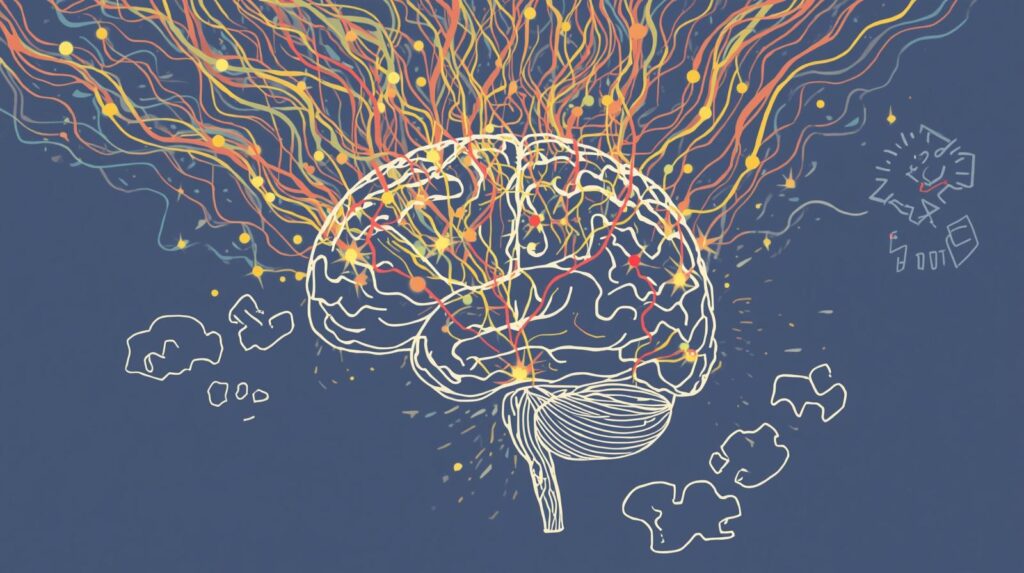
Western Perspective: Neurochemistry & Behavior
Western clinical models view depression through the Biopsychosocial lens. This involves imbalances in neurotransmitters (like serotonin and dopamine) and the "negative triad"—a pattern of distorted thinking about oneself, the world, and the future. Physiologically, it often presents as a "shut down" of the nervous system (hypo-arousal), leading to the hallmark symptoms of lethargy and emotional numbness.
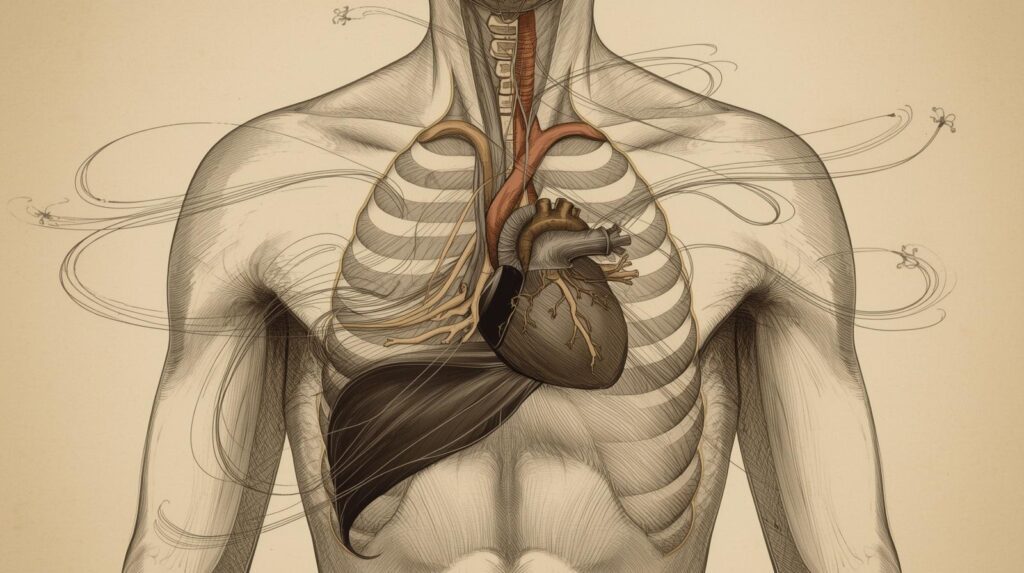
TCM Perspective: The Flow of Vitality
In Traditional Chinese Medicine, depression is often associated with Yu Zheng (Stagnation Syndrome). When Liver-Qi—the force responsible for smooth emotional flow—becomes stagnant, it leads to a heavy chest, moodiness, and a sense of being "stuck." Over time, this stagnation can deplete the Spleen and Heart, leading to the mental "fog" and profound fatigue common in clinical depression.
Evidence-Based Modalities for Depression
Depression recovery requires a multi-faceted approach that addresses both the cognitive patterns of the mind and the physiological impact on the body. We utilize gold-standard clinical interventions to help you break the cycle of withdrawal and rediscover a sense of purpose.
Focuses on identifying the "Negative Triad"—distorted thoughts about yourself, the world, and the future. By challenging these beliefs, we work to lift the emotional weight that keeps you stuck.
Often considered the engine of depression recovery, BA focuses on re-engaging with life. We work together to identify activities that provide a sense of Pleasure or Mastery.
Highly effective for preventing recurrence. It teaches you to recognize early warning signs of low mood and relate to thoughts with non-judgmental awareness.
Focuses on psychological flexibility. Instead of waiting for the low mood to disappear, we help you take small, meaningful steps aligned with your core values.
The MIND HEALTH Difference: Unlike standard clinics that focus solely on talk therapy, we integrate hospital-grade clinical rigor with restorative TCM insights. We don't just target your symptoms; we address the underlying stagnation of mood and energy to help you reclaim your sense of vitality and purpose.
Take the Next Step
Your initial consultation is the first step toward breaking the cycle of low mood and creating a personalized roadmap for your recovery.
BOOK INITIAL CONSULTATIONFinding Purpose Beyond Loss
The following is a composite case study representing common experiences of our clients.*
The Challenge
"Sarah," a homemaker of 20 years, faced a total collapse of her identity after a sudden divorce filing and betrayal. Childless and financially dependent, she fell into a state of profound lethargy and hopelessness. She was paralyzed by the thought, "What's the point?" and felt physically "weighed down" by a heavy chest and chronic exhaustion, making the prospect of rebuilding her life feel impossible.
The Intervention
We combined Cognitive Therapy (CT) to address the trauma of betrayal with an integrative focus on her physical "stagnation." By identifying how her grief had physically "stalled" her system, we used Behavioral Activation to gently restart her daily routine. We focused on rebuilding her "Agency"—helping her see that her worth was not tied to her marital status, but to her inherent resilience.
The Transformation
The "fog" of depression gradually lifted as Sarah moved from paralysis to action. She successfully navigated her legal transition with mental clarity and attended courses to prepare for her first entry into the workforce in two decades. She also started volunteering and attending community events to expand her social circle and reduced her sense of loneliness. She no longer perceives her future as a void; instead, she has cultivated a new sense of independence and vitality, viewing this chapter as a restoration of her own self.
Frequently Asked Questions (FAQs)
Will my depression diagnosis be shared with my employer or insurance?
Can I recover from depression without taking antidepressants?
Why does my depression feel so physical, like a weight in my chest?
How long does depression therapy usually take in Singapore?
Ready to Begin Your Recovery?
If you are ready to address the psychological and physical impact of depression with an evidence-based, integrative approach, we invite you to schedule an initial consultation.
SCHEDULE YOUR CONSULTATION