
Therapy for Adult ADHD in Singapore
Move beyond the struggle of “trying harder.” We provide clinical strategies to help you navigate executive dysfunction, harness your unique cognitive profile, and find focus.
Understanding ADHD
ADHD is not a lack of willpower; it is a neurodevelopmental condition related to the brain's "executive suite"—the area responsible for planning, organizing, and regulating attention. In adults and children alike, ADHD can present as a persistent pattern of inattention, hyperactivity, or impulsivity that interferes with daily functioning.
At MIND HEALTH, we look at the brain-body connection, recognizing that ADHD impacts not just your work, but your emotional regulation and physical energy levels.

Beyond the Diagnosis: Neuropsychological Insight
An ADHD diagnosis is only the beginning. At MIND HEALTH, we emphasize the value of a formal Neuropsychological Assessment to map your unique cognitive architecture.
By testing specific domains—such as working memory, processing speed, sustained attention, and cognitive flexibility—we identify the precise "bottlenecks" in your daily functioning.
This data-driven profile allows us to move beyond generic advice, translating clinical findings into a high-precision intervention plan which may involve:
Common Executive Function Challenges
Attention & Focus
- • Difficulty sustaining focus on mundane tasks
- • "Hyperfocus" on high-interest activities
- • Easily distracted by external sights/sounds
- • Frequent "daydreaming" or zoning out
Organization & Time
- • Chronic procrastination or "task paralysis"
- • Poor time estimation ("Time Blindness")
- • Difficulty following multi-step instructions
- • Misplacing essential items (keys, phone)
Emotional Regulation
- • Low frustration tolerance
- • Sensitivity to rejection (RSD)
- • Feeling restless or "driven by a motor"
- • Impulsive decision-making
Understanding Your Focus
ADHD often feels like having a "Ferrari engine" for a brain but with "bicycle brakes." If you find yourself consistently struggling to start tasks, losing focus mid-conversation, or feeling a constant internal restlessness, the following screening tool can provide clarity.
Adult ADHD Self-Report Scale (ASRS v1.1)
Please answer these questions based on how you have felt and conducted yourself over the past 6 months.
(Never | Rarely | Sometimes | Often | Very Often)
What Your Results Mean
If you responded "Sometimes," "Often," or "Very Often" to four or more of these questions, your symptoms may be consistent with Adult ADHD. This warrants a more in-depth clinical assessment to explore support options.
Citation: Adler LA, Kessler RC, Spencer TJ. Adult ADHD Self-Report Scale (ASRS-v1.1) Screener. World Health Organization (WHO).
Disclaimer: This is a screening tool, not a diagnostic instrument. A formal diagnosis of ADHD requires a comprehensive clinical interview and history taking by a registered psychologist or psychiatrist.
Unsure what your score means for you?
A screening score is a snapshot, not a full picture. During an initial consultation, Dr. Jaswyn will help you interpret these findings and bridge the gap between clinical data and your lived experience.
Discuss My ResultsADHD and the Mind-Body Connection
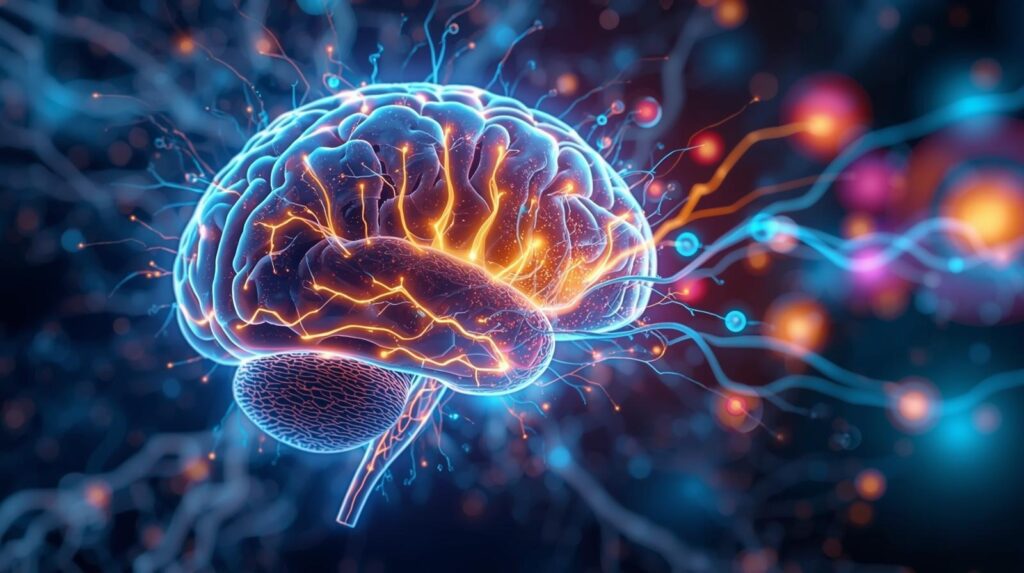
Western Perspective: Dopamine & The Prefrontal Cortex
Neuroscience indicates that ADHD is linked to lower levels of dopamine activity in the brain’s reward and attention circuits. This creates a "stimulation-seeking" brain that struggles to filter out irrelevant information. Therapy focuses on top-down regulation, helping you build external structures (scaffolding) to support what the brain's internal systems struggle with.
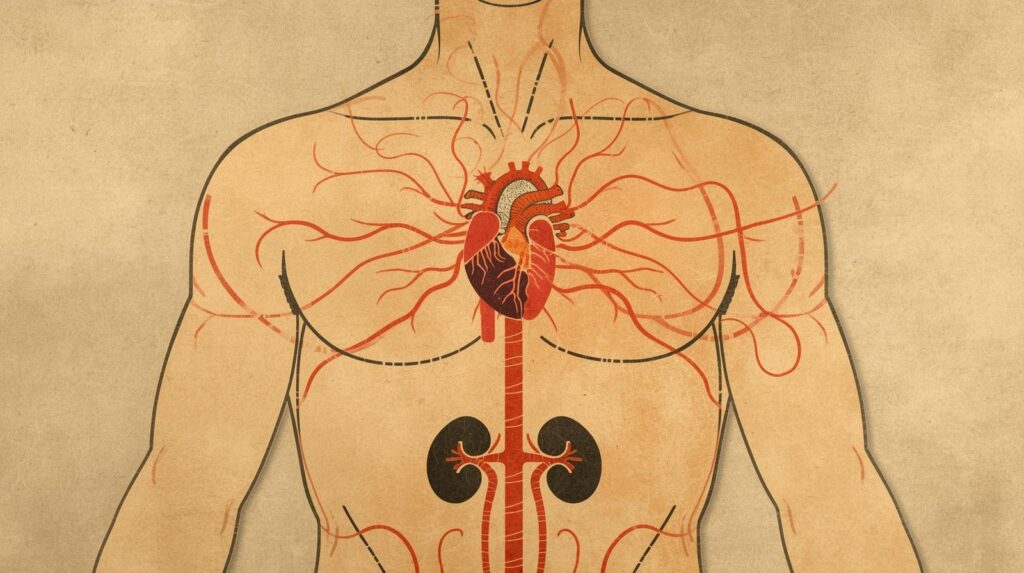
TCM Perspective: The Unsettled "Shen"
In Traditional Chinese Medicine, ADHD is often viewed as a Heart-Mind (Shen) that is not properly "housed." When there is an imbalance between the Heart (Fire) and Kidneys (Water), or if the Spleen is weak, the mind becomes restless and lacks the "rooting" necessary for deep concentration. We look at restoring the Zheng Qi (vital energy) to help calm the inner restlessness.
How We Support ADHD Recovery
Traditional "talk therapy" is often insufficient for ADHD. We focus on active, strategy-based interventions that provide immediate relief for executive dysfunction while addressing the emotional toll of living with a neurodivergent brain.
Unlike standard CBT, ADHD-focused therapy prioritizes Cognitive Scaffolding. We address the "Internalized Critic" (the voice that says you are lazy or failing) and replace it with functional systems for task initiation and emotional regulation.
We work on the practical "mechanics" of life: time-blocking, environment design to minimize distractions, and breaking down overwhelming projects into "dopamine-friendly" micro-steps.
We adapt mindfulness practices for the ADHD brain—focusing on "anchor" techniques that help you recognize when your mind has wandered and gently return to the present without self-judgment.
The MIND HEALTH Difference: We go beyond simple checklists. By combining high-level neuropsychological insight with integrative strategies, we help you stop fighting against your brain and start building a life that accommodates your unique cognitive strengths.
Master Your Focus
Whether you are seeking a formal diagnostic assessment or strategy-based therapy to manage executive dysfunction, we are here to provide a clinical roadmap tailored to your neurodivergent profile.
BOOK AN ADHD CONSULTATIONADHD Support: Frequently Asked Questions
Q: I’m an adult. Is it too late to get a neuropsychological assessment for ADHD or treatment?
A: It is never too late. Many adults seek help only when the "masking" strategies they used in school no longer work for the complex demands of career and family. An adult diagnosis often brings profound relief and a new framework for self-compassion.
Q: Will I be forced to take medication?
A: No. While medication is a common tool for ADHD, the decision is entirely yours. Our role is to provide the psychological and cognitive scaffolding—helping you build systems that work for your brain. We can work alongside your psychiatrist if you choose a combined approach.
Q: How does the TCM "Heart-Mind" perspective help with ADHD?
A: It helps us address the internal restlessness. While Western CBT gives you the "how-to" for organization, the TCM lens helps us understand how your sleep, diet, and physical energy impact your ability to focus, allowing for a truly holistic treatment plan.
Master Your Focus
Whether you are seeking a formal diagnostic assessment or strategy-based therapy to manage executive dysfunction, we are here to provide a clinical roadmap tailored to your neurodivergent profile. You don't have to navigate the struggle of "trying harder" alone.
Book an ADHD Consultation