
Trauma & PTSD Therapy in Singapore
Healing from trauma isn’t about forgetting the past—it’s about helping your nervous system realize that the danger is over, so you can live fully in the present.
What is Trauma?
Trauma is not defined by the event itself, but by the overwhelming impact it has on an individual's ability to cope. It occurs when an experience is so distressing that it bypasses the brain’s normal processing centers and becomes "stuck" in the nervous system.
In clinical psychology, we differentiate between two primary forms of trauma, as each requires a slightly different therapeutic roadmap:
Type I Trauma (Acute)
Often resulting from a single, discrete event such as a natural disaster, a serious accident, or a sudden loss. The hallmark is often a clear "before and after" the event occurred.
Type II: Complex Trauma (C-PTSD)
Resulting from prolonged, repeated exposure to distressing situations, often within interpersonal relationships or environments where escape was difficult (e.g., childhood neglect or long-term domestic instability).
How Your Body Responds
When the brain senses a reminder of the trauma, it triggers an automatic survival response. Most people are familiar with "Fight or Flight," but trauma responses are often more diverse:
Fight / Flight
Hyper-arousal, irritability, anxiety, or the constant urge to stay busy to avoid "feeling."
Freeze
Feeling "stuck," "spaced out," or dissociated. A sense of being physically present but mentally elsewhere.
Fawn
Common in Complex Trauma; the tendency to please others or suppress one's own needs to maintain safety.

The Four Clinical Clusters
According to the DSM-5, PTSD symptoms are categorized into four distinct areas. A diagnosis involves experiencing persistent symptoms in each of these categories:
1. Intrusion
Involuntary and distressing memories, flashbacks (feeling as if the event is recurring), or intense physiological reactions to trauma reminders.
2. Avoidance
Persistent efforts to avoid internal reminders (thoughts/feelings) or external reminders (people, places, or activities) associated with the trauma.
3. Cognition & Mood
Negative alterations in thinking and mood, such as inability to remember aspects of the trauma, persistent negative beliefs about oneself, or feeling detached.
4. Arousal & Reactivity
Marked changes in physiological response, including irritability, hypervigilance, exaggerated startle response, and sleep disturbances.
Initial Screening: PC-PTSD-5
Sometimes it is difficult to know if your current symptoms are related to past experiences. Reflect on whether you have experienced any of the following in the past month:
- 1. Re-experiencing: Have you had nightmares about the event(s) or thought about the event(s) when you did not want to?
- 2. Avoidance: Have you tried hard not to think about the event(s) or gone out of your way to avoid situations that reminded you of the event(s)?
- 3. Hypervigilance: Have you been constantly on guard, watchful, or easily startled?
- 4. Numbing: Have you felt numb or detached from people, activities, or your surroundings?
- 5. Guilt/Blame: Have you felt guilty or unable to stop blaming yourself or others for the event(s) or any problems the event(s) may have caused?
Clinical Disclaimer: This screening tool is for informational purposes only. Answering "yes" to 3 or more of these questions suggests that you may be experiencing symptoms of PTSD. However, a formal diagnosis can only be made through a comprehensive clinical assessment with a Registered Psychologist.
Citation: Prins, A., et al. (2016). The Primary Care PTSD Screen for DSM-5 (PC-PTSD-5). U.S. Department of Veterans Affairs.
Unsure what your score means for you?
Every individual's experience is unique. We can review these results together during an initial consultation and develop a roadmap specifically for your recovery.
DISCUSS MY RESULTSTrauma and the Mind-Body Connection
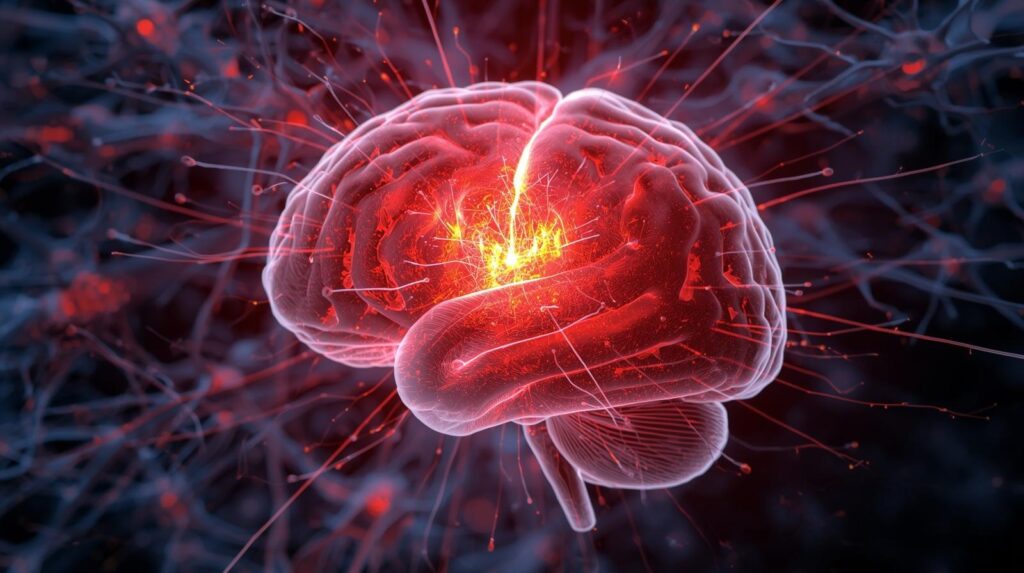
Western Perspective: The Hijacked Alarm
Trauma creates a "bottleneck" in the brain. The Amygdala (the smoke detector) stays on high alert, while the Hippocampus struggles to timestamp the memory as "past." This keeps the body in a state of survival, reacting to present-day triggers as if the original threat is still happening.
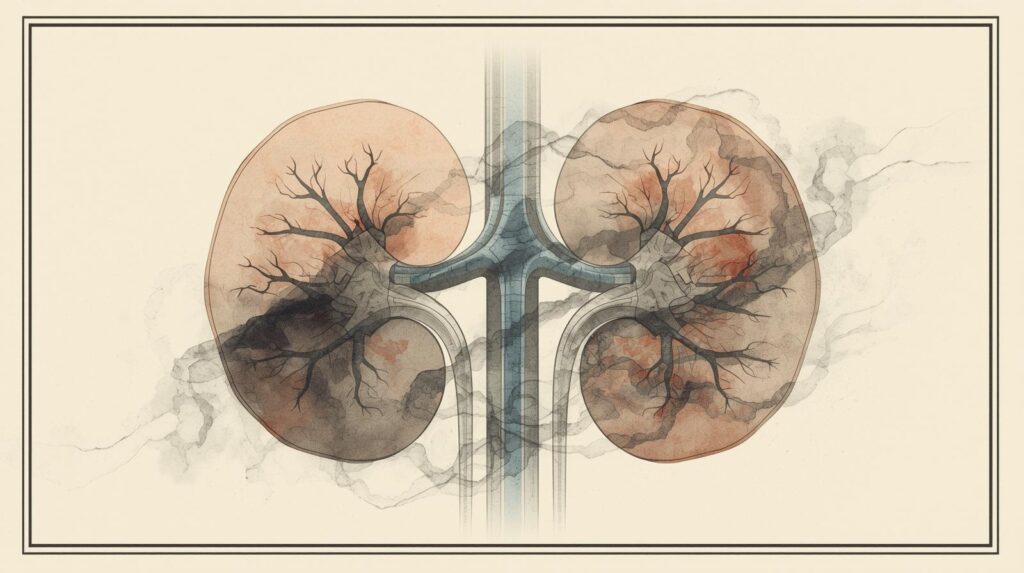
TCM Perspective: Depleted Kidney Qi
In TCM, the Kidneys house our "Zhi" (willpower) and are the root of our courage. Severe shock "scatters" the Qi, leading to a deep depletion of Kidney Jing (Essence). This often manifests as chronic fear, startle responses, and physical exhaustion. Healing involves "anchoring" the scattered Qi and nourishing the Heart-Mind.
Trauma-Informed Therapeutic Approaches
Healing from trauma requires a paced approach that respects your "Window of Tolerance." We utilize evidence-based protocols to help you process memories without becoming overwhelmed.
EMDR (Eye Movement Desensitization and Reprocessing)
EMDR is a powerful, non-invasive therapy that uses bilateral stimulation (such as eye movements) to help the brain "re-process" traumatic memories so they no longer carry the same emotional charge.
View EMDR Details →Trauma-Focused CBT
We use Cognitive Behavioral Therapy to identify and challenge "stuck points"—unhelpful beliefs created by the trauma (e.g., "The world is entirely unsafe" or "It was my fault").
View CBT Details →Prolonged Exposure (PE)
Exposure therapy involves gradually and systematically approaching trauma-related memories and cues that you have been avoiding. By facing these in a controlled environment, the power of the triggers begins to diminish.
The MIND HEALTH Difference
Healing from trauma requires more than just "venting." At MIND HEALTH, we distinguish our care through three clinical pillars:
1. Clinical Rigor
As registered psychologists, we provide high-level diagnostic clarity, ensuring your treatment plan is built on established neuropsychological principles.
2. Integrative Wisdom
We bridge Western evidence-based protocols (EMDR/CBT) with TCM perspectives to address the "scattered Qi" and physical depletion trauma leaves behind.
3. Safety & Pacing
We prioritize stabilization. We don't dive into painful memories until your nervous system has the grounding tools to stay safe and regulated.
Trauma Therapy: Frequently Asked Questions
Q: Will I have to describe my trauma in vivid detail?
A: Not necessarily. Modern trauma-informed therapies, especially EMDR, do not require you to narrate every detail of the event to be effective. We work at a pace that keeps you within your "Window of Tolerance" to ensure healing happens without re-traumatization.
Q: What is the difference between PTSD and Complex PTSD (C-PTSD)?
A: PTSD usually results from a single, discrete event (like an accident). C-PTSD typically stems from prolonged, repeated trauma, often occurring in childhood or within relationships where there was no easy escape. C-PTSD often involves deeper challenges with trust, identity, and emotional regulation.
Q: Can trauma cause physical symptoms like chronic pain or digestive issues?
A: Yes. Because trauma lives in the nervous system, it often manifests physically. In TCM, we view this as Qi stagnation or "Jing" depletion. Western medicine recognizes this as chronic activation of the stress response, which can lead to inflammation and somatic pain.
Q: How do I know if I’m "ready" for trauma processing?
A: Readiness is something we build together. The first phase of trauma therapy is always "Stabilization"—equipping you with grounding tools and emotional regulation skills so you feel safe enough to begin processing the deeper memories.
A Path Toward Safety
You have carried the weight of the past for long enough. Let us help you navigate the journey toward post-traumatic growth and a restored sense of safety.