
OCD Therapy in Singapore
Breaking the cycle of intrusive thoughts and repetitive compulsions requires more than just willpower—it requires specialized clinical intervention.
More Than Just "Being Neat"
Obsessive-Compulsive Disorder (OCD) is often misunderstood as a quirk or a preference for cleanliness. In reality, it is a distressing cycle of intrusive, unwanted thoughts (obsessions) and the repetitive behaviors or mental acts (compulsions) performed to neutralize the resulting anxiety.
At MIND HEALTH, we treat the various themes of OCD, recognizing that while the content of the thoughts changes, the underlying mechanism remains the same.

Common OCD Themes
Contamination & Washing
Fear of germs, toxins, or "spreading" bad luck, leading to excessive cleaning, hand-washing, or avoidance of public spaces.
Harm & Checking
Intrusive "what if" thoughts about safety, leading to repetitive checking of locks, stoves, or seeking constant reassurance from others.
"Just Right" & Symmetry
An intense need for items to be aligned perfectly or for tasks to be completed in a specific sequence until a "feeling" of completion is met.
Is it time to seek help?
Clinical OCD is often measured by the level of interference it causes in your daily life. Reflect on the following five markers often used in clinical assessment:
- Time: Do intrusive thoughts or rituals consume more than one hour of your day?
- Interference: Does it stop you from succeeding at work or enjoying relationships?
- Distress: Do these thoughts feel "sticky" and cause intense internal tension?
- Resistance: Do you find yourself unable to stop the rituals even when you want to?
- Control: Do you feel you have little to no power over when these thoughts appear?
Clinical Note: These markers are for self-reflection and do not constitute a diagnosis. A formal OCD diagnosis requires a comprehensive clinical interview using the Y-BOCS and other assessment tools administered by a registered psychologist.
Unsure what your score means for you?
Every individual's experience is unique. We can review these results together during an initial consultation and develop a roadmap specifically for your recovery.
DISCUSS MY RESULTSOCD and the Mind-Body Connection
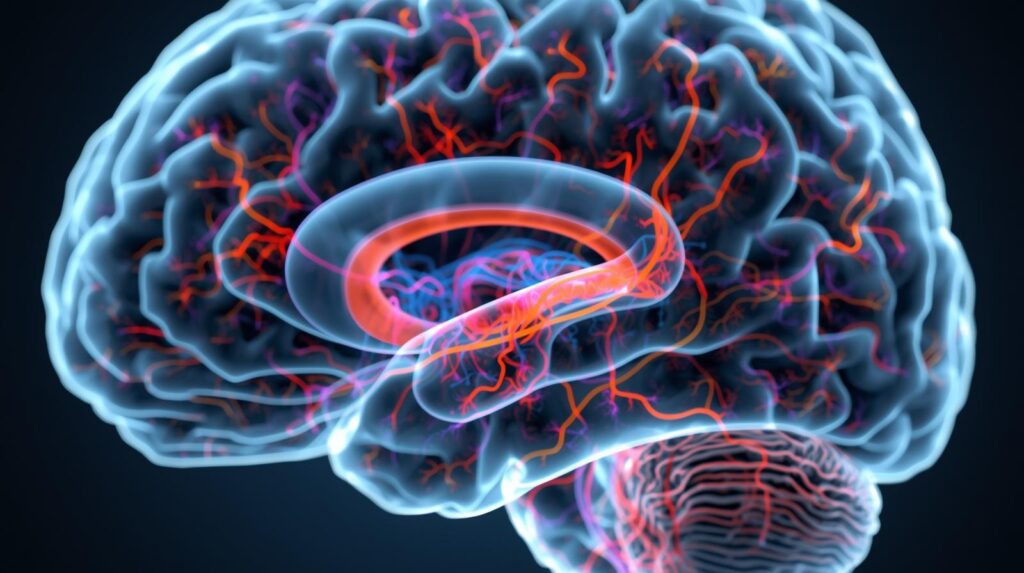
Western Perspective: The "Brain Glitch"
Neuroscience views OCD as a functional "hiccup" in the CSTC (Cortico-Striato-Thalamo-Cortical) circuit. Essentially, the brain’s error-detection system gets stuck in the "on" position. Even when you logically know a door is locked, the circuit continues to send a "danger" signal, driving the urge to check.

While TCM has no direct name for OCD, the symptoms are often understood as "Phlegm-Fire harassing the Heart (痰火扰心)." Phlegm represents the "sticky," repetitive nature of the thoughts, while Fire creates the agitation and urgency. This is often rooted in a Deficiency of Heart and Gallbladder Qi, leading to chronic indecisiveness and fear.
Evidence-Based Modalities
Effective OCD treatment requires moving beyond general support toward active, behaviorally-focused interventions. We utilize the clinical "Gold Standard" to help you dismantle the cycle of obsessions and compulsions.
Exposure & Response Prevention (ERP)
Standard talk therapy—which often involves analyzing the meaning of thoughts—can inadvertently reinforce OCD by providing the temporary "reassurance" the disorder craves.
ERP is a specialized intervention where we:
- • Exposure: Safe, gradual contact with the thoughts or situations that trigger your anxiety.
- • Response Prevention: Learning to resist the ritual or compulsion that usually follows, allowing the anxiety to peak and fall naturally.
Through Habituation, your brain learns that the intrusive thoughts are not actual threats, and the "alarm" in your nervous system eventually quiets.
Breaking the "Brain Lock" of OCD
The following is a composite case study representing common experiences of our clients.*
The Challenge
"Mr. A" struggled with a grueling cycle of neatness and "decontamination" rituals. His morning showering and room-arranging routines often left him "stuck" for hours, causing him to be chronically late for work. Even at the office, he was plagued by intrusive thoughts about whether his doors were locked or items were out of place, leading to a state of constant mental exhaustion and sleep deprivation.
The Intervention
Our treatment focused on Exposure and Response Prevention (ERP), the gold standard for OCD. We worked on a "Fear Hierarchy," gradually exposing him to "imperfect" environments without allowing the neutralising rituals. By leaning into the discomfort and inhibiting the compulsive response, we helped him to tolerate his distress and learn that the perceived "threat" did not require a ritual to resolve.
The Transformation
Through consistent ERP practice, Mr. A reclaimed hours of his day. He no longer felt "stuck" in the shower and could leave his home without the need to re-check locks or photo frames. His work performance improved as his focus returned, and by reducing evening cleaning marathons, he was finally able to sleep earlier and feel more refreshed and energetic in the day.
OCD Therapy: Frequently Asked Questions
I have "bad" or "taboo" thoughts. Will I be judged? +
I don't have hand-washing rituals. Can I still have OCD? +
I am very organized and like things clean. Is that OCD? +
Do I need medication, or is therapy enough? +
How can my family members support me properly? +
Can OCD be cured permanently? +
How long does OCD treatment take? +
Take Back Your Life
OCD is a "thief of time," but it is highly treatable. You don't have to live at the mercy of intrusive thoughts. By combining the rigorous structure of Exposure & Response Prevention (ERP) with an understanding of your internal equilibrium, we can help you reclaim your mental space. Let’s work together to ground your mind and break the cycle of compulsions.