
Support for Metabolic Health
Managing the “Three Highs”—Diabetes, Hypertension, and Hyperlipidaemia—is an endurance test for the mind. We bridge evidence-based psychological strategies with TCM-informed perspectives to help you regain control over your internal balance and long-term vitality.
The Daily Burden of the "Three Highs"
Managing the "Three Highs"—Diabetes, Hypertension, and Hyperlipidaemia—is an invisible endurance test. Beyond the physical symptoms, there is the heavy mental "bandwidth" consumed by constant vigilance: the morning finger-prick, the tracking of every meal, and the anxiety that accompanies every medical report.
In Singapore, this burden is compounded by real-world frictions. There is the rising cost of medication and monitoring strips, the time lost to frequent checkups, and the daily social pressure at the hawker centre—where choosing a nutritious meal often costs significantly more than a standard plate of chicken rice or noodles. This "healthy lifestyle tax" can lead to a sense of deprivation and social isolation that is rarely discussed in clinical settings.
A Shared Challenge in Singapore
If you find this journey exhausting, the data shows you are far from alone. According to recent National Population Health Surveys, hypertension now affects approximately 37% of adults in Singapore, while the risk of developing type 2 diabetes affects nearly 1 in 3 Singaporeans.
Clinical research confirms that these are not just metabolic issues, but "stress-sensitive" conditions. When the mental load of management leads to burnout, the resulting physiological stress can paradoxically interfere with glucose regulation and blood pressure stability, creating a cycle that is difficult to break through medication alone.

The Biological Link: Hormonal Regulation and Stress
In Western medicine, the "Three Highs" are fundamentally issues of hormonal dysregulation. Diabetes is driven by insulin resistance, while blood pressure and cholesterol levels are governed by a complex endocrine system that signals your vessels to constrict or your liver to produce fats.
Your nervous system and your hormones are deeply intertwined. When you experience chronic stress, your brain activates the HPA axis, releasing "stress hormones" like cortisol and adrenaline. These hormones act as a physiological override: cortisol tells your liver to dump glucose into your bloodstream, while adrenaline tightens your arteries.
If your mind is in a constant state of "fight-or-flight," your body remains flooded with these hormones. This creates a physiological environment where blood sugar and pressure remain elevated, regardless of how strictly you follow your diet or medication. Addressing the psychological drivers of stress is therefore not just about "feeling better"—it is about biologically resetting the hormonal balance required for metabolic health.
Ready to address the psychological side of your health?
Schedule a Consultation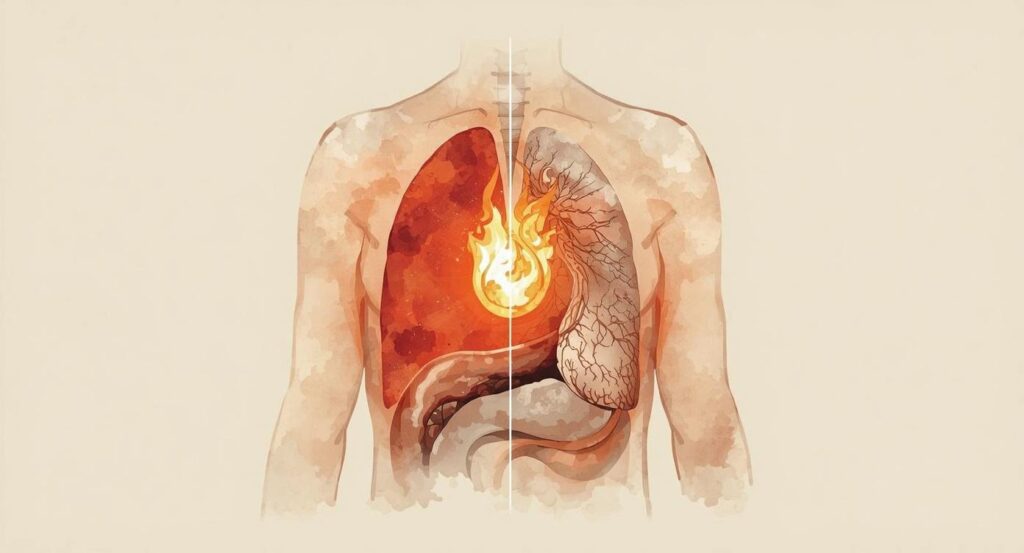
The TCM Perspective: Restoring Internal Harmony
While Western science focuses on hormonal regulation, Traditional Chinese Medicine (TCM) views the “Three Highs” as a disruption of the body’s internal landscape. Conditions like Diabetes (known as (消渴 Xiāo Kě) or Wasting-Thirst) and Hypertension are seen as imbalances in Qi (vital energy) and the Zang-Fu organ systems.
In TCM, emotional health is inseparable from physical health. For instance, chronic “Liver Fire” caused by repressed stress or anger can contribute to rising blood pressure, while “Spleen Deficiency” caused by excessive worry and overthinking can impair the body’s ability to transform nutrients, leading to metabolic stagnation and dampness.
By integrating psychological support with these perspectives, we look beyond the symptoms to the root cause of the “disharmony.” This allows us to address not just the medical readings, but the emotional patterns that disrupt your body’s natural ability to maintain balance.

Evidence-Based Therapeutic Modalities
To address the complex intersection of mental and metabolic health, we utilize clinically validated psychological interventions designed to lower the "biological noise" of stress.
Cognitive Behavioral Therapy (CBT)
CBT identifies the "thought traps" behind management burnout. By reframing your perception of the diagnosis, we lower chronic cortisol spikes that interfere with insulin sensitivity and blood pressure stability.
Learn more ABOUT CBT →Mindfulness-Based Therapy (MBCT)
A tool for autonomic nervous system regulation. By shifting to a "Rest-and-Digest" state, MBCT helps clear "Liver Fire" and supports your body's natural metabolic balance.
Learn more about MBCT →Acceptance & Commitment Therapy (ACT)
ACT helps navigate the frustration of lifestyle changes, moving away from "struggling against" your condition and toward value-driven actions that make health feel like an act of self-care.
The MIND HEALTH Difference
We go beyond standard lifestyle advice. We provide psychological and behavioural health modification strategies to help you address the root causes of the your metabolic dysregulation or Three Highs.
Balancing Career Stress and Metabolic Health
The following is a composite case study representing common experiences of our clients.*
The Challenge
"Mr. K," age 48, held a demanding corporate role that led to a sedentary lifestyle and chronic work-related tension. To de-stress, he frequently indulged in heavy meals and social beer sessions with friends. Following a diagnosis of the "Three Highs" (high blood sugar, blood pressure, and cholesterol), he was advised to cut alcohol and strictly manage his diet. He found himself struggling with the loss of his primary relaxation outlet and lacked the motivation to exercise after long work hours, leading to a cycle of frustration and declining health markers.
The Intervention
Our approach utilized Cognitive Behavioral Therapy (CBT) to address the link between his stress levels and his reliance on food and alcohol for relief. We used Motivational Interviewing to help Mr. K build a sustainable exercise routine that felt rewarding rather than like another professional obligation. We also integrated mindfulness-based relaxation techniques, providing him with practical tools to de-stress during the workday without relying on indulgence.
The Transformation
By incorporating mindfulness and regular exercise, Mr. K was able to lower his biological stress levels and move toward moderate enjoyment of social meals. He no longer felt "forced" into a restrictive lifestyle; instead, he felt empowered with a toolkit of psychological strategies to stay calm and maintain his health. His clinical readings for blood pressure and glucose stabilized, and he regained a sense of control over his wellbeing without sacrificing his social connections.
Frequently Asked Questions (FAQs)
While these are physical conditions, they are heavily influenced by the nervous system. Chronic stress triggers "stress hormones" (cortisol) that directly raise blood sugar and blood pressure. We help you manage these psychological triggers to allow your medical treatments to work more effectively.
No. Our psychological interventions are complementary. We work alongside your doctors and TCM physicians to create a more stable internal environment for your existing treatments to succeed.
Yes. This is often called "Treatment Fatigue." We use Acceptance and Commitment Therapy (ACT) to help you navigate the emotional exhaustion of chronic management, turning lifestyle changes into a sustainable act of self-care.
Begin Your Journey to Internal Harmony
Sleeplessness doesn't have to be your permanent reality. Whether you choose a clinical CBT-I approach. We are here to help you find your way back to natural, restorative sleep.